
Red Teaming
Building evidence before capability is relied upon
Test the capability, not only the components. Experimentation, validation and red teaming examine the complete operational workflow.
A platform, sensor, application or communications system can meet its individual specification while the combined capability still fails to support the mission. Interfaces may behave differently under load, information may reach the wrong role, degraded conditions may be poorly understood and operators may be forced to compensate for gaps between systems.
BSS uses experimentation, validation and red teaming to examine the complete operational workflow. The purpose is to understand what the integrated capability can do, where its limitations sit and what must change before it is relied upon, scaled or introduced into service.
Evidence must reflect the intended use
A successful laboratory test proves only what was demonstrated under the conditions of that test. Operational confidence requires evidence connected to the mission, the users, the system configuration and the environment in which the capability is expected to operate.
BSS begins by defining the decision that the evidence must support. This may concern technical feasibility, integration readiness, operator usability, resilience, training needs, procurement choices or preparation for a formal acceptance activity. The evaluation is then shaped around the relevant questions rather than around a generic demonstration.
The resulting evidence remains bounded. It applies to the assessed systems, software versions, interfaces, procedures, users and conditions. It should not be treated as proof of universal performance across every configuration or operating environment.
Experimentation reduces uncertainty early
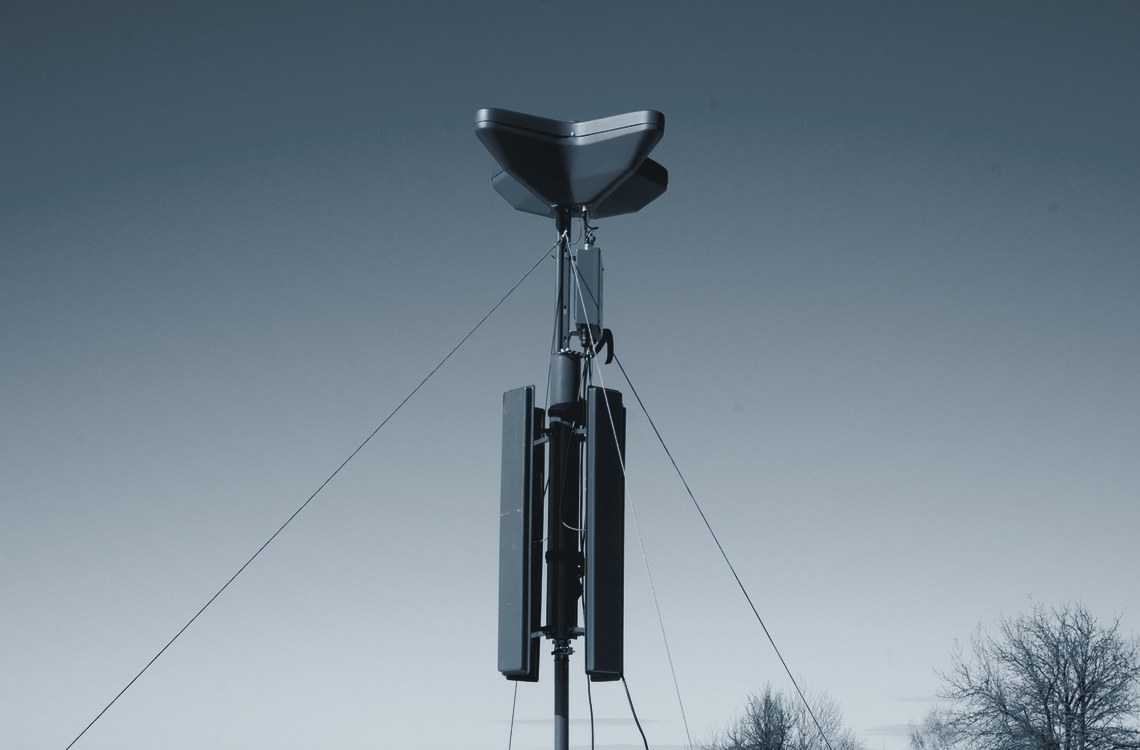
Experimentation allows a concept, technology or workflow to be explored before every requirement or design decision has been fixed. It is especially useful where an emerging technology has potential value but its contribution to the mission is not yet understood.
BSS can use structured experiments to compare alternative approaches, expose hidden dependencies and understand how users interact with a developing capability. Questions may include whether information arrives with sufficient context, whether an autonomous function reduces or increases workload, whether a communications path supports the required exchange, or whether an operator can recover when normal services are unavailable.
An experiment is not a staged product demonstration. It is a controlled way to learn. Unexpected results, failed assumptions and negative findings are valuable when they prevent risk from being carried into later integration or acquisition decisions.
Validation connects requirements to evidence
Validation asks whether the combined capability supports the intended operational need. It is distinct from confirming that an individual component was manufactured or configured correctly. The capability must be examined as a system of people, information, technology, procedures, training and support.
BSS links validation activities to the operational requirements and architectural decisions established during mission capability engineering. This creates traceability between what the capability is expected to achieve, how it has been implemented and which evidence supports the resulting assessment.
Validation can include interface behaviour, information quality, timing, user workload, command authority, degraded operation, diagnostics, recovery, training effectiveness and supportability. The exact scope depends on the mission and on the readiness or adoption decision the customer needs to make.
Representative scenarios reveal system behaviour
The value of an evaluation depends on whether the scenario places meaningful demands on the capability. Representative scenarios reproduce the workflow, system interactions and environmental pressures needed to answer the defined questions without claiming to reproduce every aspect of live operations.
Scenarios may introduce changing information, competing priorities, limited bandwidth, unavailable services, sensor ambiguity, communications path changes, incorrect inputs or time pressure. They can also examine handovers between roles, coordination between locations and the transition from normal to degraded operation.
The purpose is not to create complexity for its own sake. Each condition should be tied to an operational risk, requirement or decision. This keeps the evaluation focused and makes the findings easier to interpret and act upon.
The operator is part of the evidence
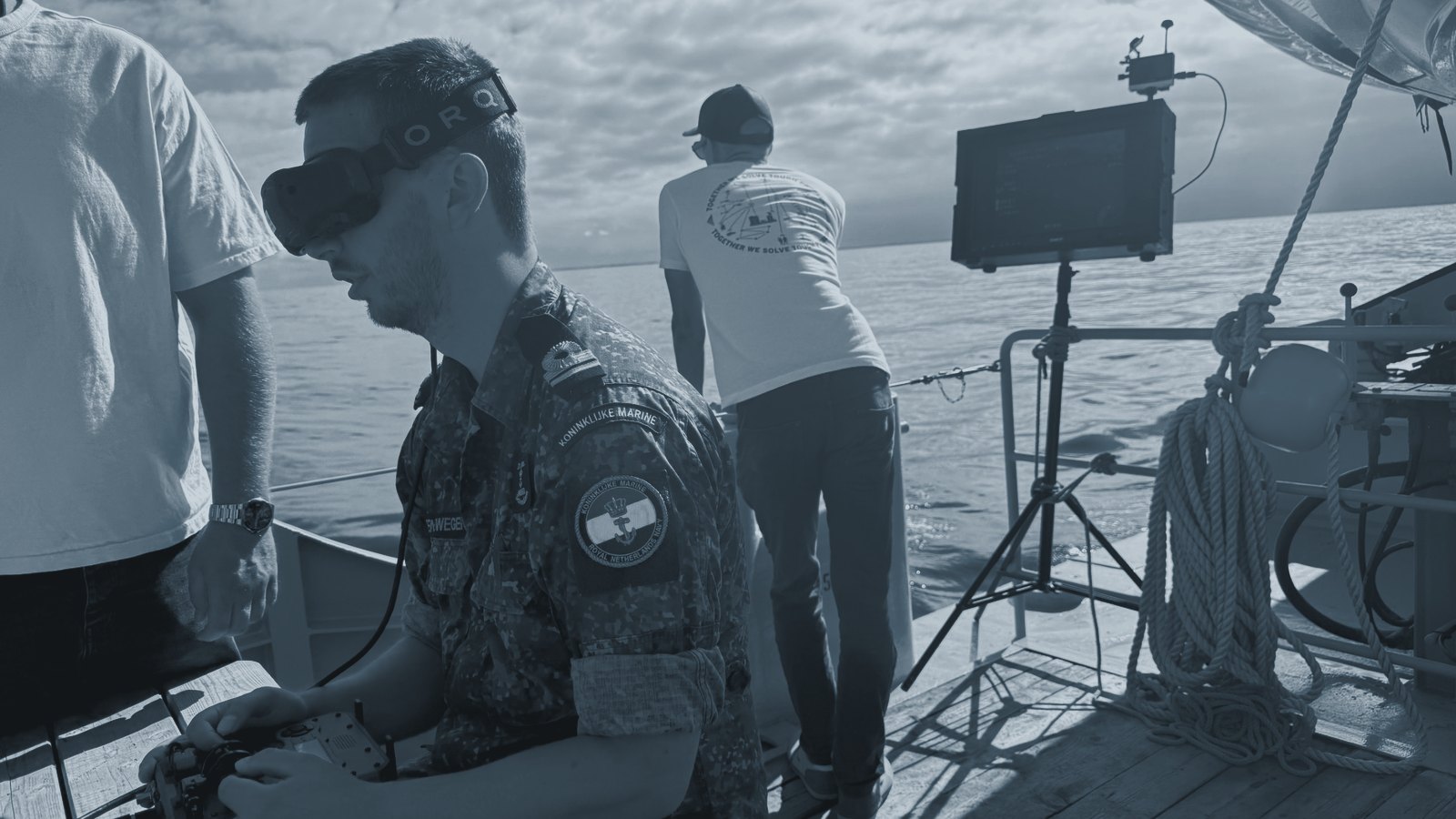
Capability performance cannot be understood only through system logs and technical measurements. Operators and maintainers reveal whether information is understandable, alerts are actionable, authority is clear and recovery procedures can be followed under realistic workload.
BSS includes users in the evaluation where the purpose and maturity of the activity support it. Observation, structured feedback and after-action review help identify where the capability depends on workarounds, undocumented knowledge or excessive manual reconciliation.
User feedback is treated as engineering evidence rather than as an isolated opinion. It is connected to the configuration, task and scenario in which it was observed, then translated into changes to interfaces, procedures, training, requirements or support arrangements where appropriate.
Red teaming provides structured critical challenge
Red teaming examines the capability from outside its intended success path. It challenges assumptions, explores how the system can be misunderstood or misused and looks for failure modes that ordinary acceptance testing may not expose.
Within the BSS capability lifecycle, red teaming is broader than penetration testing or cybersecurity assessment. It can include adversarial thinking, technical disruption, misleading or incomplete information, unexpected user behaviour, dependency failure, operator overload and recovery from an incorrect system state. Specialist cyber testing may form part of an activity where it is authorised and relevant, but it is not the complete definition.
The objective is constructive challenge. Red-team findings are used to improve the capability, not to create theatrical failure. Activities are governed by an agreed scope, safety boundaries, authority and evidence plan so that the findings remain relevant to the customer’s decision.
Degraded operation and recovery must be understood
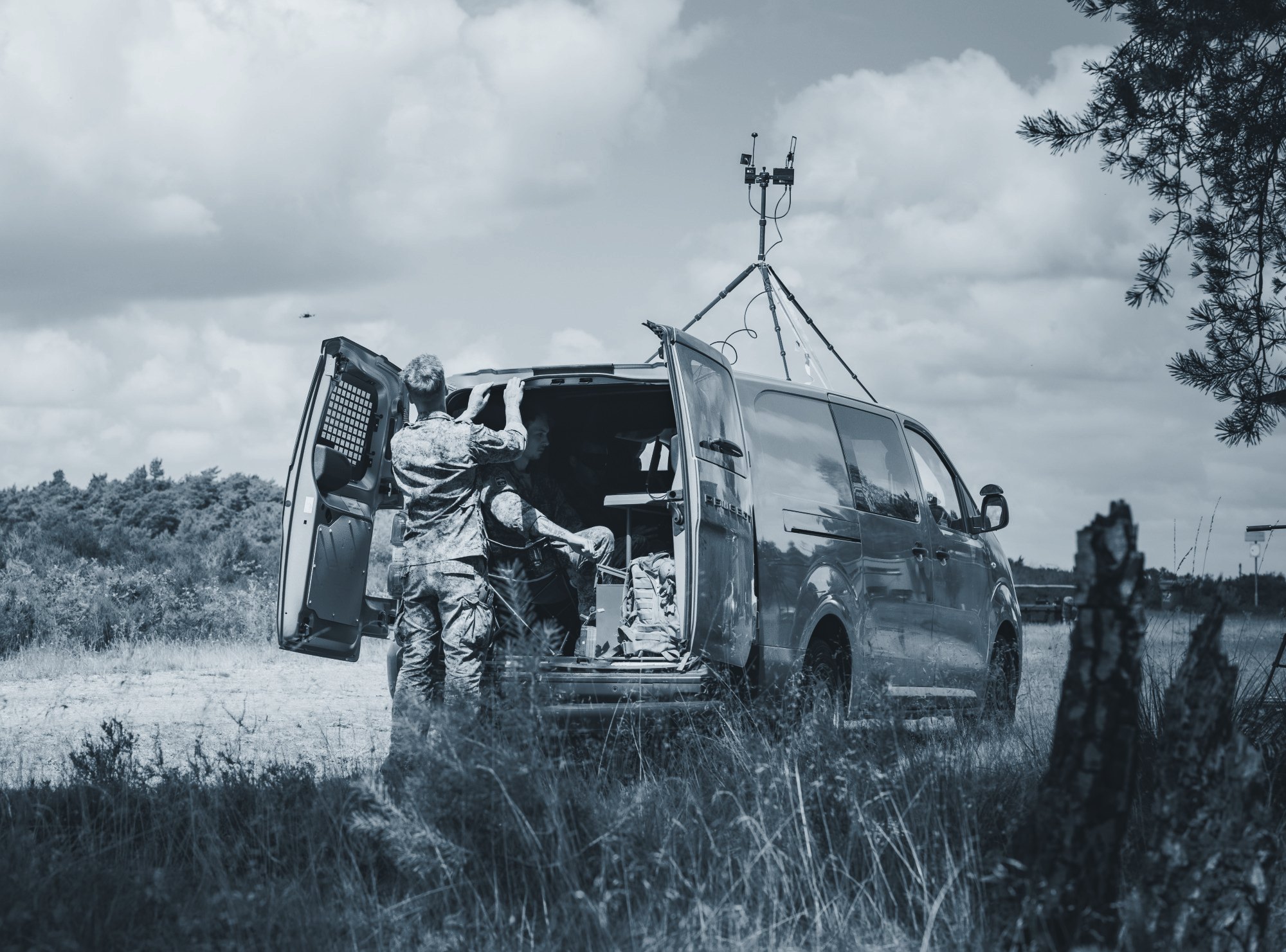
Many operational weaknesses appear when a supporting service is constrained rather than when the entire system is unavailable. Communications may continue with reduced capacity, positioning may become uncertain, information may be delayed or a central service may become unreachable while local functions remain active.
BSS evaluates how the capability behaves through these transitions. Users should understand which functions continue, what information may be incomplete or based on an earlier state, which actions remain authorised and how the system returns to a known working configuration.
Any statement about performance under jamming, GPS denial, cyber disruption, electromagnetic interference or disconnected operation remains specific to the assessed baseline and conditions. Resilience is demonstrated behaviour, not a label applied to a product or architecture.
Instrumentation turns activity into evidence
A useful evaluation must capture more than whether the scenario appeared to succeed. BSS identifies the observations and measurements needed to understand system and user behaviour. These may include message timing, availability, system state, track continuity, interface errors, workload indicators, decision points, operator actions and recovery time.
Logs, observations, technical measurements and user feedback are brought together with configuration records and scenario conditions. This prevents findings from being separated from the environment in which they occurred and supports later comparison when changes are introduced.
Where information is sensitive, collection, access, retention and reporting remain subject to the customer’s security, contractual and governance requirements.
Findings must lead to controlled improvement
Testing only creates value when the findings affect the capability. BSS converts observations into engineering actions, configuration changes, revised procedures, training needs, support requirements or decisions to retain an identified limitation.
Findings are prioritised according to operational effect, likelihood, detectability and the effort or risk associated with correction. Not every issue requires a technology change. Some are better addressed through clearer responsibility, improved information presentation, a revised workflow or targeted training.
When a material change is made, the relevant part of the capability is re-evaluated. This closes the loop between experimentation, engineering and evidence rather than allowing one successful event to become a permanent assurance claim.
J-CIE supports the evaluation lifecycle
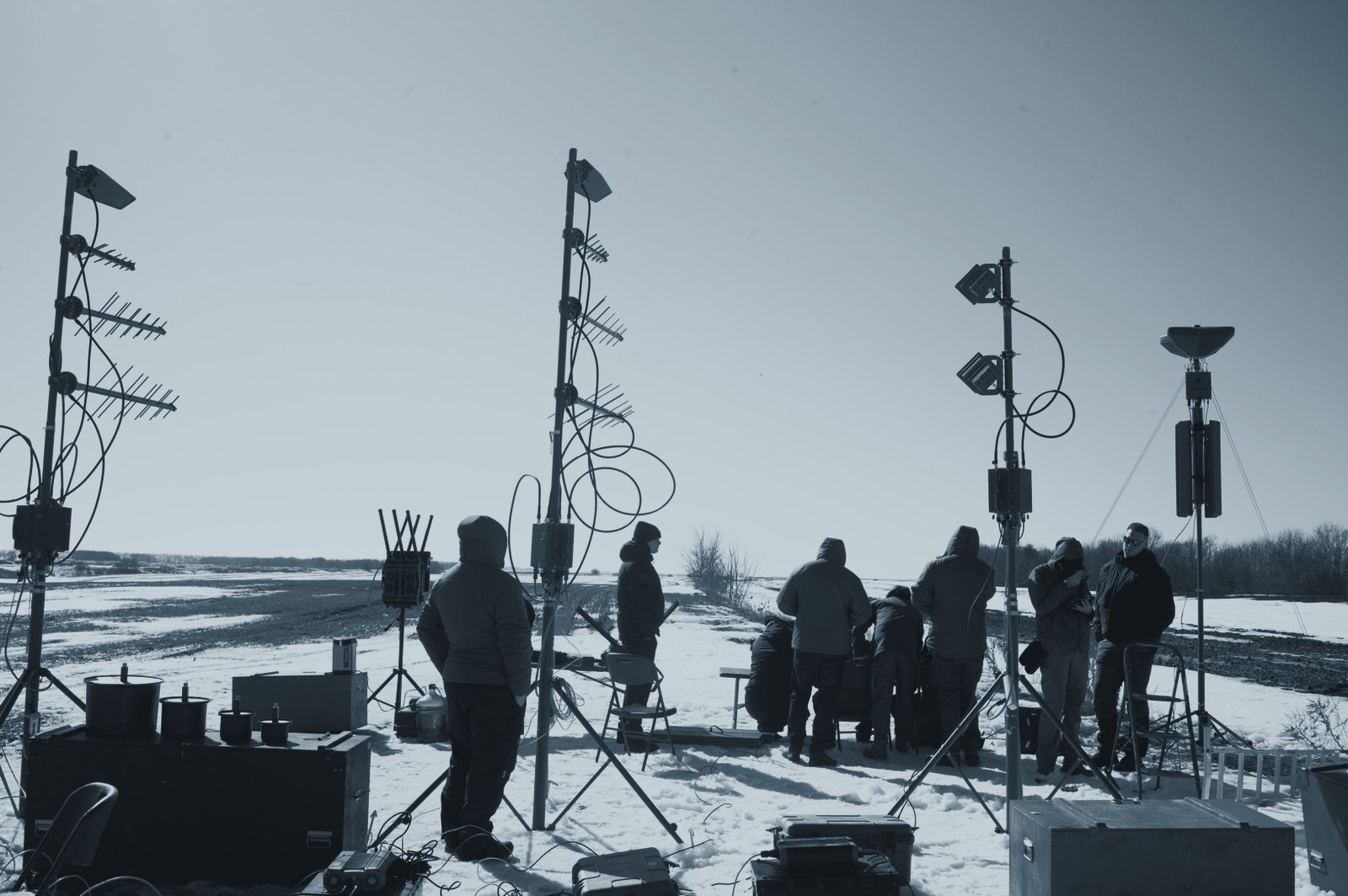
J-CIE, the BSS Joint Capability Integration Environment, provides a structured setting for bringing systems, users and partners together around representative mission workflows. It supports experimentation, integration, validation, red teaming, training and operational learning across the development lifecycle.
Within the wider Tactical Sensors-to-Effects Web, Orchard can provide mission context and Mycelium can support information exchange across the available communications environment. J-CIE then evaluates how those elements, customer systems and user workflows behave together under the defined scenario and conditions.
J-CIE does not replace formal customer acceptance, certification or authority. It provides evidence and learning that can reduce uncertainty, strengthen the design and prepare the capability for the customer’s own governance and readiness processes.
Confidence based on known evidence and limitations
The goal of experimentation, validation and red teaming is not to prove that a capability can never fail. It is to establish what has been observed, which conditions were assessed, where limitations remain and what actions are required before use, scale or further investment.
This gives decision-makers a more reliable basis for adoption. It gives engineers a clearer route for improvement. It gives operators and maintainers a better understanding of normal, degraded and recovery behaviour. Most importantly, it helps prevent confidence from being based on individual component claims when mission success depends on the complete capability.
Together we solve tough problems
Bring us the operational problem. We bring the systems, the integration and the team to prove it in the field.